Low-sugar and keto protein bars cap added sugar at 2 grams or less and replace it with allulose, erythritol, monk fruit, soluble corn fibre, or a mix. They are aimed at people tracking carbs strictly, anyone on a ketogenic diet, and snackers who do not want a sugar crash an hour later. The category overlaps heavily with high-protein bars, but the defining filter here is sugar, not protein.
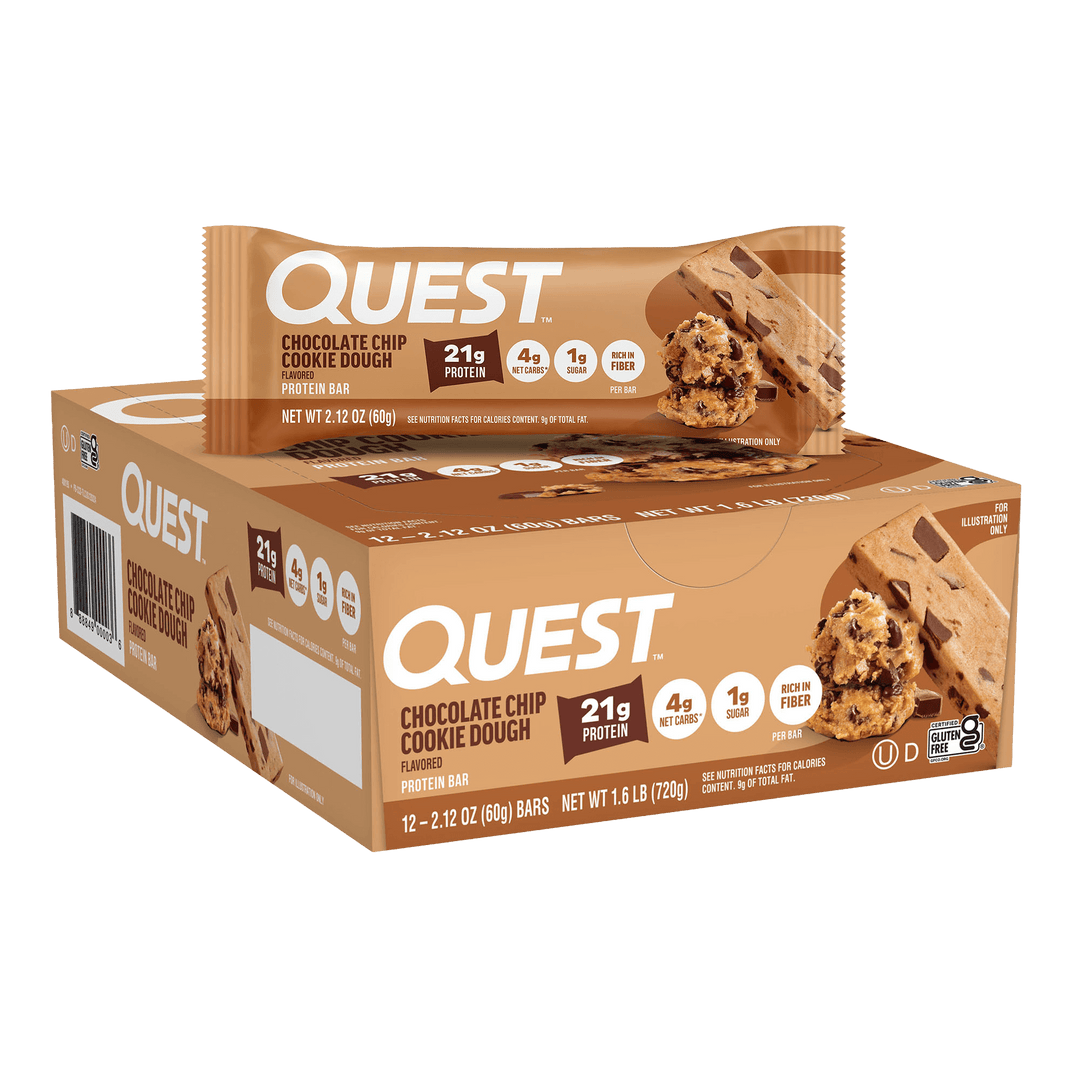
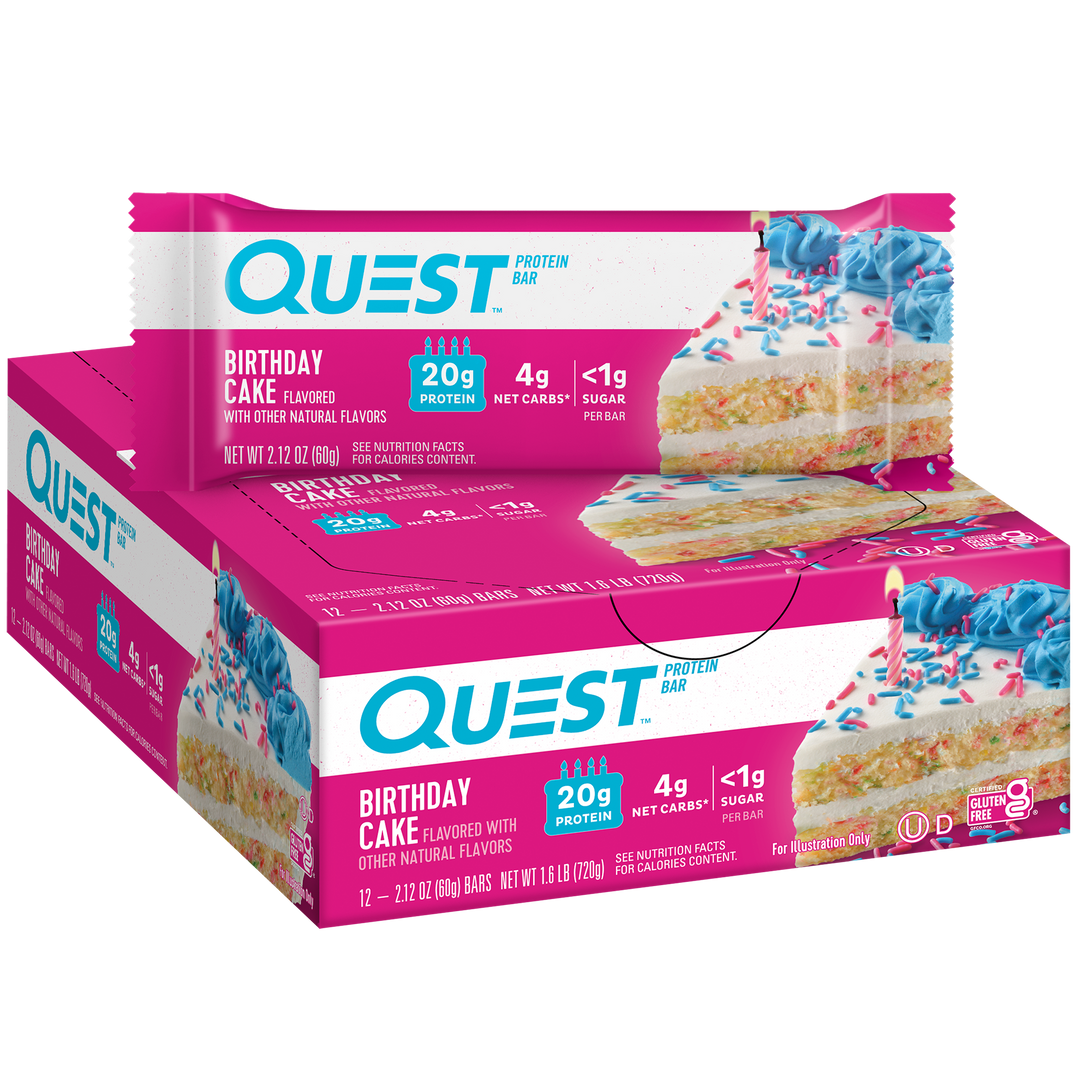
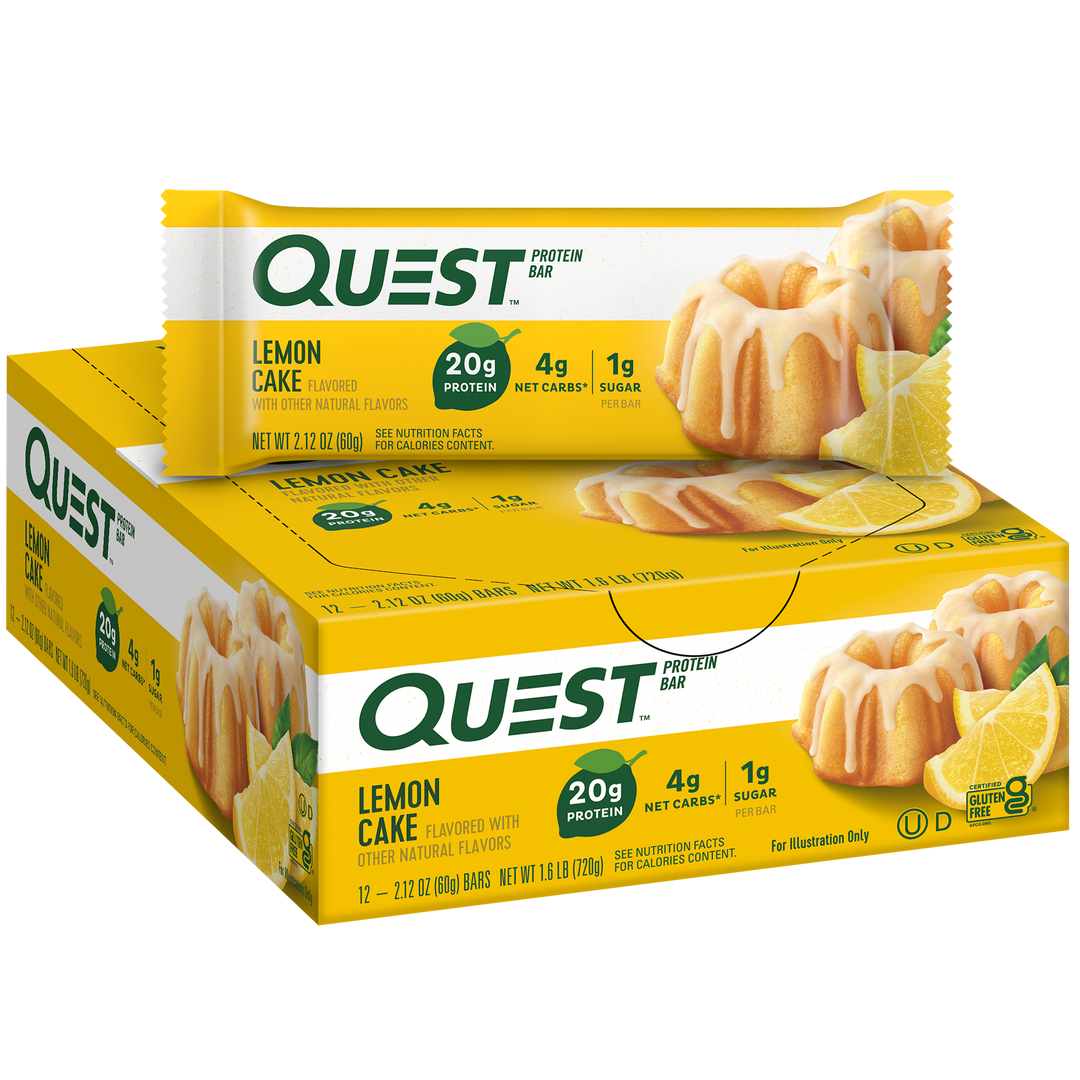
Quest is the anchor brand. The classic Quest Bar lineup typically sits at 1 g added sugar, 20 to 21 g protein, and 12 to 14 g fibre per bar. Price runs $1.60 to $2.00 per bar at Walmart and $1.80 to $2.30 per bar at Amazon, depending on flavour and pack size. No Cow and the keto-friendly versions of ONE Bar play in the same lane, usually $2.20 to $2.80 per bar. Atkins and Pure Protein round out the budget end, often under $1.60 per bar.
When you shop, scan for three things. First, total carbs minus fibre minus sugar alcohols (net carbs) should land at 3 to 6 g per bar for a true keto fit. Second, watch the soluble corn fibre and isomalto-oligosaccharide (IMO) content; some people get GI distress above 10 g per bar. Third, compare cost per gram of protein, not per bar, because a $2.20 Quest with 21 g often beats a $1.50 bar with 11 g. Our Value Score does that math for every bar listed here.
We use a threshold of 2 g added sugar or less per bar. Most bars on this page sit at 1 g. Anything labelled "no added sugar" but containing 4 to 6 g of natural sugars from dates or fruit (RXBAR, Lärabar) is a different category and lives in our clean-label bars list.
Most Quest bars come in at 4 to 6 g net carbs, which fits a 20 to 50 g per day keto target if you only have one bar. Some bars use IMO fibre, which older keto guides treat as fully fibre but newer evidence suggests is partially digestible. If you are testing ketones strictly, treat half the IMO grams as carbs.
Erythritol, allulose, and monk fruit have minimal effect on blood glucose for most people. Maltitol does spike glucose and is now rare in modern bars. Quest, Built Bar, and No Cow have all moved off maltitol. Always check the panel if you are diabetic.
Two culprits: sugar alcohols above 30 to 50 g per day, and soluble corn fibre / IMO fibre. Both can ferment in the gut and cause bloating or loose stools. If a new bar disagrees, try a different sweetener family before giving up on the category.
Quest is whey-based and slightly cheaper per bar. No Cow is plant-based (pea and rice protein) and a fit if you avoid dairy. Both sit at 20 to 21 g protein. If dairy is fine, Quest wins on cost; if you want vegan, No Cow is the obvious pick.
Yes, with the caveat above about sugar alcohols and soluble fibre. Two Quest bars deliver 40+ g protein and roughly 28 g fibre, which is already a heavy fibre load. Spread them four to six hours apart and drink water.
We track Amazon, Walmart, Target, GNC, and a handful of brand DTC sites daily and surface the lowest current price per pack. See how we track prices for the full method.