The Complete Guide to Collagen Protein (2026)
Collagen is a different kind of protein supplement. Where whey, casein, and plant proteins are used to support muscle protein synthesis and lean mass, collagen is used for connective tissue: skin, joints, tendons, ligaments, hair, and nails. The biochemistry is different, the dose response is different, the time horizon is different, and the buying decision is different. A user shopping for a single protein powder to "get more protein" has been pulled toward collagen by aggressive marketing in 2020-2023, often without understanding that collagen is not muscle-building protein and is not the right product for that goal.
Used correctly for skin and joint health, collagen has real evidence behind it. Multiple randomized controlled trials show modest measurable improvements in skin elasticity, dermal hydration, joint pain reduction, and tendon strength when 10-15g of hydrolyzed collagen is consumed daily for 8-12 weeks. The effect sizes are not enormous, but the studies are real, the mechanism is plausible (oral collagen peptides survive digestion, reach connective tissue, and stimulate fibroblast activity), and the supplement is safe at typical doses. For users in their late 30s and beyond, particularly those with joint pain, tendinopathy, or visible skin aging, collagen is one of the better-evidenced supplements available.
This guide is the complete reference for collagen in 2026: what it actually is, the different types and sources, who genuinely benefits, the highest-Value-Score products in our 9-product catalog, what to look for on the label, real pricing tiers, common mistakes, dosage and timing, storage, side effects, and a long FAQ. By the end you will know whether collagen makes sense for you and exactly which product to buy.
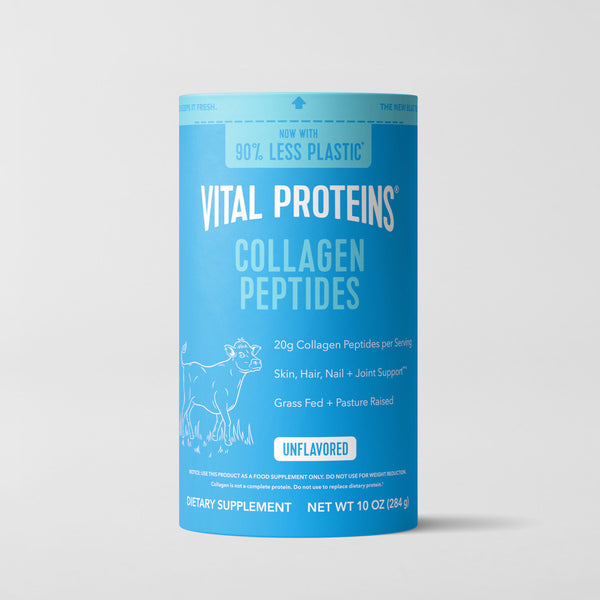
Quick answer: The best value collagen in 2026 is Sports Research Collagen Peptides 1lb at $32.95 on Amazon (Value Score 22). The most popular pick is Vital Proteins Collagen Peptides 1.25lb at $44.99 on Amazon. For multi-type collagen, Ancient Nutrition Multi Collagen Protein 1lb. For best per-gram, the larger Vital Proteins family-size 2.5lb tub.
In this guide
- What Is Collagen Protein?
- Types of Collagen
- How Collagen Is Made
- Collagen vs Alternatives
- Top Picks Right Now
- How to Choose: 7 Things to Look For
- Price + Value Analysis
- The State of the Evidence
- Common Mistakes Buyers Make
- How to Use Collagen
- Storage + Shelf Life
- Side Effects + Considerations
- Frequently Asked Questions
- Related Guides
What Is Collagen Protein?
Collagen is the most abundant protein in the human body. It accounts for roughly 30% of total body protein and forms the structural framework for skin, bones, tendons, ligaments, cartilage, blood vessels, and the dentin in teeth. Collagen molecules are long triple-helix chains rich in three specific amino acids: glycine, proline, and hydroxyproline. These three account for about 50% of collagen by weight, which is biochemically unusual and is what defines collagen as a distinct protein class.
The body synthesizes its own collagen from dietary amino acids throughout life. Production peaks in the 20s and declines roughly 1% per year starting around age 30. By age 60, total body collagen has decreased substantially, contributing to skin thinning, joint cartilage degradation, and reduced tendon elasticity. Smoking, UV exposure, high sugar intake, and chronic inflammation accelerate this decline.
Supplemental collagen is consumed as hydrolyzed collagen peptides: collagen that has been enzymatically broken down into smaller fragments small enough to be absorbed in the small intestine. Once absorbed, peptide fragments either circulate to connective tissue where they may stimulate fibroblast activity (the cells that make new collagen), or they are recycled as raw materials for synthesizing new collagen elsewhere in the body. The mechanism is not fully understood but is supported by isotope-labeled tracer studies.
Collagen is for: adults over 30 noticing joint stiffness or skin aging, athletes recovering from tendinopathy or ligament injury, people with visible skin aging who want a low-risk intervention with modest evidence, postmenopausal women losing skin elasticity, and anyone wanting to support connective tissue maintenance. Collagen is not for: muscle building (use whey or plant), pure protein supplementation (collagen is incomplete protein with low leucine), or as a stand-alone solution for serious arthritis or chronic joint conditions.
Types of Collagen
The body produces at least 28 types of collagen. Most supplements focus on five.
Type I. The most abundant collagen in the body, found in skin, bones, tendons, and ligaments. The collagen most associated with skin health and most studied in cosmetic supplementation. Bovine collagen and marine collagen are predominantly Type I.
Type II. Concentrated in cartilage. The relevant collagen for joint health. Chicken cartilage and undenatured Type II collagen (UC-II) supplements target this specifically. Used at much lower doses (40mg/day) than other collagen types because of a different mechanism (immune-mediated).
Type III. Found alongside Type I in skin, blood vessels, and uterine tissue. Most bovine collagen products contain a mix of Type I and Type III.
Type V. Found in cell surfaces and the placenta. Present in small amounts in multi-collagen blends.
Type X. Found in growing cartilage and during bone formation. Present in chicken-derived multi-collagen products.
For practical purposes, Type I and Type III together cover skin and most connective tissue. Type II at low doses targets joint cartilage. Multi-type blends (often marketed as "5 types of collagen") combine these in one product, though the smaller-quantity types contribute mostly marketing rather than meaningful function.
How Collagen Is Made
Commercial collagen production starts with raw animal material: bovine hides, fish skins, chicken cartilage, or eggshell membranes. The raw material is cleaned, treated with mild acid or alkali to remove minerals and fat, then heated with water to extract collagen as gelatin. Gelatin is large-molecule collagen that gels in cold water (the form used to make Jell-O).
To produce hydrolyzed collagen peptides (the form sold as supplements), the gelatin is then treated with proteolytic enzymes that break the long collagen chains into shorter peptide fragments. The result is hydrolyzed collagen, which dissolves in cold liquid and does not gel. Hydrolyzed collagen is more bioavailable than gelatin because the smaller peptide fragments are absorbed more efficiently in the small intestine.
The most common sources are bovine (cow hide), marine (fish skin), and chicken (cartilage). Bovine is the cheapest and most widely produced. Marine is more expensive but offers smaller peptide chains and is suitable for pescatarians. Chicken-derived collagen is the source for undenatured Type II products. Eggshell membrane collagen is a newer source that delivers Type I, V, and X.
After hydrolysis, the peptides are spray-dried into powder, often with cocoa, sweeteners, and flavor systems added. Unflavored collagen peptides are the most popular form because they dissolve into coffee, smoothies, and oatmeal without changing flavor. Flavored collagen exists primarily for users who prefer ready-to-drink options.
Collagen vs Alternatives
Collagen vs whey. Different proteins for different purposes. Whey is for muscle, collagen is for connective tissue. Whey is a complete protein and triggers muscle protein synthesis. Collagen is incomplete (missing tryptophan, low in leucine) and does not effectively trigger MPS. Use both if you want both effects. See our whey guide.
Collagen vs gelatin. Same source material, different processing. Gelatin gels in cold liquid and is used for cooking. Hydrolyzed collagen does not gel and is for supplementation. They are nutritionally similar but bioavailability favors hydrolyzed.
Collagen vs bone broth. Bone broth contains collagen but in lower concentration and inconsistent amounts. A cup of high-quality bone broth delivers roughly 5-10g of collagen versus 10-15g in a scoop of supplement. For convenience and consistency, powder wins. For flavor and whole-food appeal, broth wins.
Collagen vs UC-II. Undenatured Type II collagen is dosed at 40mg/day (much lower than other types) and works through an immune-mediated mechanism for joint health. It is a different product entirely from standard collagen peptides. Some users take both.
Collagen vs vegan collagen builders. Products marketed as "vegan collagen" contain amino acids, vitamin C, and silica that support the body's own collagen synthesis but are not collagen itself. For vegans they are the closest available option. For non-vegans, animal-derived collagen is more efficient.
Top Picks Right Now
Our catalog has 9 collagen products. These are the highest-Value-Score options in May 2026.
| # | Product | Source | Best Price | Score |
|---|---|---|---|---|
| 1 | Sports Research Collagen Peptides 1lb | Bovine, Type I + III | $32.95 (Amazon) | 22 |
| 2 | Vital Proteins Collagen Peptides 1.25lb | Bovine, Type I + III | $44.99 (Amazon) | 15 |
| 3 | Vital Proteins Family Size 2.5lb | Bovine, Type I + III | ~$70 (Amazon) | 14 |
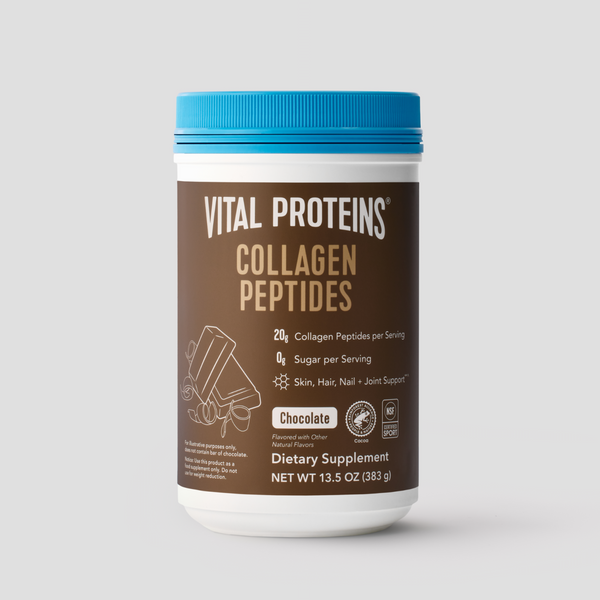
| 4 | Vital Proteins Chocolate 0.6lb | Bovine, flavored | $29.99 (Amazon) | 10 |
| 5 | Ancient Nutrition Multi Collagen 1lb | Multi-source, 5 types | ~$40 (Walmart) | 9 |
| 6 | Vital Proteins Vanilla 0.6lb | Bovine, flavored | $28.99 (Amazon) | 8 |
1. Sports Research Collagen Peptides (Value Score 22)
The best-value collagen on the US shelf. Sports Research uses grass-fed, pasture-raised bovine hide from non-GMO sources. 11g protein per scoop, 41 servings per 1lb tub. Unflavored, dissolves cleanly in coffee. NSF Contents Certified. At $32.95 on Amazon, this is the price per gram floor for credible collagen. Recommended starting product for users new to collagen.
2-4. Vital Proteins family.
Vital Proteins is the category-defining brand. The 1.25lb unflavored tub at $44.99 is the most-purchased collagen in America. Same 18g protein per scoop, 28 servings, grass-fed bovine source. The Family Size 2.5lb at roughly $70 brings the per-gram price down to roughly the level of Sports Research, but with the Vital Proteins brand premium. Chocolate and vanilla flavored versions exist for users who prefer ready-to-drink, but the per-gram cost goes up. Vital Proteins is the safe default if you want trusted name-brand collagen.
5. Ancient Nutrition Multi Collagen Protein.
The multi-type alternative. Combines bovine, marine, chicken, and eggshell collagen for Types I, II, III, V, and X. 9g protein per scoop (lower than single-source bovine because of formulation choices). At roughly $40 for 1lb, the price per gram is higher than single-source but you get type variety. Worth it if you specifically want Type II coverage from chicken cartilage.
6. Vital Proteins Vanilla.
Flavored options exist for users who want collagen ready-to-drink. Cost per gram is significantly higher than unflavored. Most users find unflavored collagen mixed into coffee delivers the same result at lower cost.
How to Choose: 7 Things to Look For
1. Hydrolyzed peptides, not gelatin
For supplementation, you want hydrolyzed collagen peptides (dissolves in cold liquid). Gelatin works the same biochemically but is harder to mix and is intended for cooking.
2. Grass-fed, pasture-raised source
Most premium collagen brands specify grass-fed bovine hide from pasture-raised cattle. Conventional bovine collagen is cheaper but the source quality is less transparent. Marine collagen should specify wild-caught fish.
3. Type matches your goal
Type I or I + III for skin. Type II (at low dose) for cartilage-specific joint health. Multi-type for general coverage. Read the label.
4. Protein per scoop
Most collagen products deliver 10-18g protein per scoop. Higher protein per scoop is better value because you use less per dose. A 18g scoop versus an 11g scoop means roughly 60% more protein per serving.
5. Third-party testing
NSF Contents Certified, NSF Sport Certified, or published Certificates of Analysis. Sports Research, Vital Proteins, and Thorne lead on testing. Budget brands less consistent.
6. Sweetener and additives
Unflavored is the cleanest format. Flavored versions add sweeteners (stevia, monk fruit, sucralose) and sometimes cocoa or vanilla. For mixing into coffee, unflavored is better. For ready-to-drink in water, flavored helps.
7. Heavy metal testing
Collagen from bovine hides can carry trace heavy metals from the animal's feed and environment. Premium brands now publish heavy metal test results. Lookd for lead, cadmium, mercury, and arsenic below 1 ppm for all four. Budget brands less reliable.
Price + Value Analysis
Collagen pricing in 2026 is more uniform than other categories. The price floor is roughly $0.06 per gram of protein (Sports Research at sale prices) and the price ceiling is roughly $0.12 per gram (premium flavored ready-to-drink). The price gap is much smaller than in whey or plant protein, because collagen production is a more specialized supply chain with fewer commodity players.
Budget collagen ($0.05-$0.07 per gram protein). Sports Research, NutriGold, Bulk Supplements. Plain unflavored, basic packaging, third-party tested.
Mainstream collagen ($0.07-$0.09 per gram protein). Vital Proteins, Ancient Nutrition, Garden of Life. Branded, broad retail availability, premium positioning.
Premium collagen ($0.09-$0.13 per gram protein). Vital Proteins flavored, Bulletproof Collagen, Further Food. Flavored, sometimes with added vitamins or adaptogens.
For numerical context: at 15g per day (the clinical effective dose), a 1.25lb tub of Vital Proteins lasts roughly 30 days. Annual cost is $400-540 at retail. The Sports Research budget option brings annual cost to $300-360. Both deliver the same outcome if the underlying collagen is properly hydrolyzed and dosed.
One pricing nuance: the larger size of any given collagen product is typically 25-35% cheaper per gram than the standard size. Vital Proteins Family Size 2.5lb is the obvious example. If you are committed to daily collagen use for at least 4 months, buying the largest tub saves meaningful money. The downside is committing to a single flavor (or unflavored) for that duration.
Another nuance: subscription discounts on collagen are particularly aggressive. Sports Research, Vital Proteins, and Ancient Nutrition all offer 15-25% off on monthly auto-ship. Because collagen is best consumed daily without interruption, subscription pricing fits the usage pattern well.
The State of the Evidence
Collagen supplementation has accumulated meaningful clinical data over the last decade. The strongest evidence comes from skin and joint studies; weaker evidence covers everything else.
Skin elasticity. A 2019 meta-analysis of 11 randomized controlled trials covering more than 800 women found measurable improvements in skin elasticity and dermal hydration at 2.5-15g daily over 8-12 weeks. The effects were small to moderate but consistent across trials. Newer 2021-2023 studies have generally supported these findings.
Joint pain. Multiple trials show measurable joint pain reduction in athletes and older adults at 10-15g daily over 12 weeks. The effect size is comparable to mild over-the-counter painkillers in some studies. Best evidence is for activity-related joint discomfort rather than full-blown arthritis.
Tendon and ligament. Small studies suggest collagen plus vitamin C, taken 30-60 minutes before training, may improve collagen synthesis in tendons and ligaments. The mechanism is plausible but the evidence base is small.
Bone density. A 2018 study in postmenopausal women showed measurable improvement in bone mineral density after 12 months of 5g daily collagen. Replications have been mixed.
Hair and nails. Smaller and lower-quality studies suggest modest improvements in nail growth rate and hair quality over 4-6 months. Most data is observational; randomized trials are sparse.
Other claims. Gut health, mental clarity, and immune function claims are not well-supported by current evidence. Treat marketing in these areas with skepticism.
Common Mistakes Buyers Make
Using collagen for muscle building. The biggest misuse. Collagen is incomplete protein and underperforms whey for MPS. Use whey for muscle, collagen for connective tissue.
Underdosing. Clinical studies use 10-15g per day. Many users take a single scoop (5-10g) and conclude it does not work. Use the studied dose for at least 8 weeks before evaluating.
Stopping too early. Effects appear at 8-12 weeks for skin and joints, longer for hair and nails. Most users who quit after 4 weeks quit before any measurable effect would appear.
Paying for "marine collagen" without a specific reason. Marine collagen is more expensive than bovine and the practical difference is small. Choose marine if you avoid land animals, otherwise bovine is more cost-effective.
Believing every claim. Collagen supplements are aggressively marketed for everything from gut health to mental clarity. The evidence base is strongest for skin elasticity, dermal hydration, joint pain, and tendon strength. Claims beyond these have weaker or no evidence.
Mixing collagen into hot coffee at high heat. Hydrolyzed collagen is more heat-stable than whey but still denatures at boiling. Add to coffee after it has cooled slightly, or stir into oatmeal off the heat.
How to Use Collagen
Dosage. 10-15g per day is the standard clinical dose. Some studies use 20g. Higher doses do not improve outcomes and may cause mild digestive upset. Daily consistency is more important than dose size.
Timing. Time of day matters less than daily consistency. Many users take collagen with morning coffee. Some research suggests pairing with vitamin C (orange juice, vitamin C supplement) modestly improves absorption.
Mixing. Stir into coffee, smoothies, oatmeal, yogurt, or soup. Hydrolyzed collagen dissolves in hot or cold liquid without clumping. Unflavored has minimal taste impact. Use a spoon, not a shaker.
With training. Some research suggests taking collagen 30-60 minutes before training, with vitamin C, may improve tendon and ligament collagen synthesis. The evidence is preliminary but the protocol is harmless.
Stacking. Collagen mixes well with whey (use whey post-workout and collagen in the morning), creatine, vitamin C, biotin, and silica. Avoid mixing collagen with high-tannin liquids (very strong black tea) which can reduce absorption.
Common daily routine. A typical effective routine looks like: morning coffee with 15g collagen plus a small glass of orange juice or vitamin C tablet (for cofactor), then standard daily diet, then post-workout whey shake separately. Total daily collagen at 15g over 8-12 weeks gives a fair test of the supplement.
Cooking with collagen. Hydrolyzed collagen survives moderate heat well. You can stir it into soups, sauces, and even baked goods at standard cooking temperatures. Some bakers add 10-20g of collagen to bread doughs and muffin batters to boost protein without changing texture. Unlike whey, collagen does not cause rubbery textures in baked goods.
For non-athletes. Collagen is one of the few supplements that may genuinely benefit non-training adults. Skin elasticity decline and joint stiffness are common in adults over 35 regardless of whether they exercise. The dosing protocol is identical whether you are an athlete or not.
Storage + Shelf Life
Sealed collagen lasts 24+ months from manufacture. Opened collagen lasts 12-18 months in normal storage. Collagen keeps longer than most proteins because there is no fat to oxidize.
Storage rules:
- Tightly sealed, below 75F, out of direct sunlight.
- Avoid refrigeration (condensation).
- Use the scoop dry.
- Discard if smell or taste changes (rare).
Side Effects + Considerations
Digestive discomfort. Some users experience mild bloating or fullness, particularly at higher doses. Start with 5-10g per day and increase gradually to 15g if needed.
Allergic reactions. Rare but possible. Marine collagen can trigger reactions in users with fish allergies. Bovine collagen can trigger reactions in users with beef allergy.
Calcium content. Some collagen products are derived from bones and contain trace calcium. Users on calcium-restricted diets should check labels.
Heavy metals. Bovine hide collagen can carry trace heavy metals from the source animal's environment. Premium brands publish test results. Budget brands less reliable.
Pregnancy and breastfeeding. Hydrolyzed collagen from bovine or marine sources is generally considered safe at typical doses. Discuss with your OB before starting any supplement during pregnancy or while breastfeeding.
Religious dietary restrictions. Bovine collagen is not kosher or halal unless specifically certified. Marine collagen is generally acceptable for most religious dietary frameworks but verify certification.
Limited evidence for some claims. Marketing claims around gut health, hair growth, and mental clarity have weaker evidence than the core skin and joint claims. Be skeptical of bigger promises.
Frequently Asked Questions
Does collagen actually work?
Modest measurable benefit for joint pain and skin elasticity at 10-15g daily for 8-12 weeks. Real but smaller than marketing suggests.
How much collagen per day?
10-15g per day. More than 20g shows no additional benefit.
What are the different types?
Type I (skin, bones), Type II (cartilage), Type III (skin, vessels). Most products are Type I + III.
Is marine better than bovine?
Smaller peptide chains, slightly faster absorption, more expensive. Practical difference is small. Bovine is more cost-effective.
Is collagen complete protein for muscle building?
No. Missing or low in essential amino acids. Use whey for muscle, collagen for connective tissue.
Can vegans take collagen?
True collagen is animal-sourced. Vegan "collagen builders" contain amino acids and vitamin C that support the body's own collagen synthesis.
When should I take collagen?
Daily consistency matters most. Pair with vitamin C for slightly better absorption.
Does collagen help hair growth?
Weaker evidence than for skin and joints. Modest improvements over 4-6 months in some studies.
Is collagen safe during pregnancy?
Generally considered safe at typical doses. Discuss with your OB.
How long until I see results?
Skin: 8 weeks. Joints: 12 weeks. Hair and nails: 4-6 months.
How is Value Score calculated?
Combines protein per dollar, protein per 100g, sugar content, and ingredient transparency. See how it works.
Related Guides
See live collagen rankings
9 collagen products, 12 retailers, refreshed throughout the day.
Browse Collagen Catalog →