The Complete Guide to Whey Protein (2026)
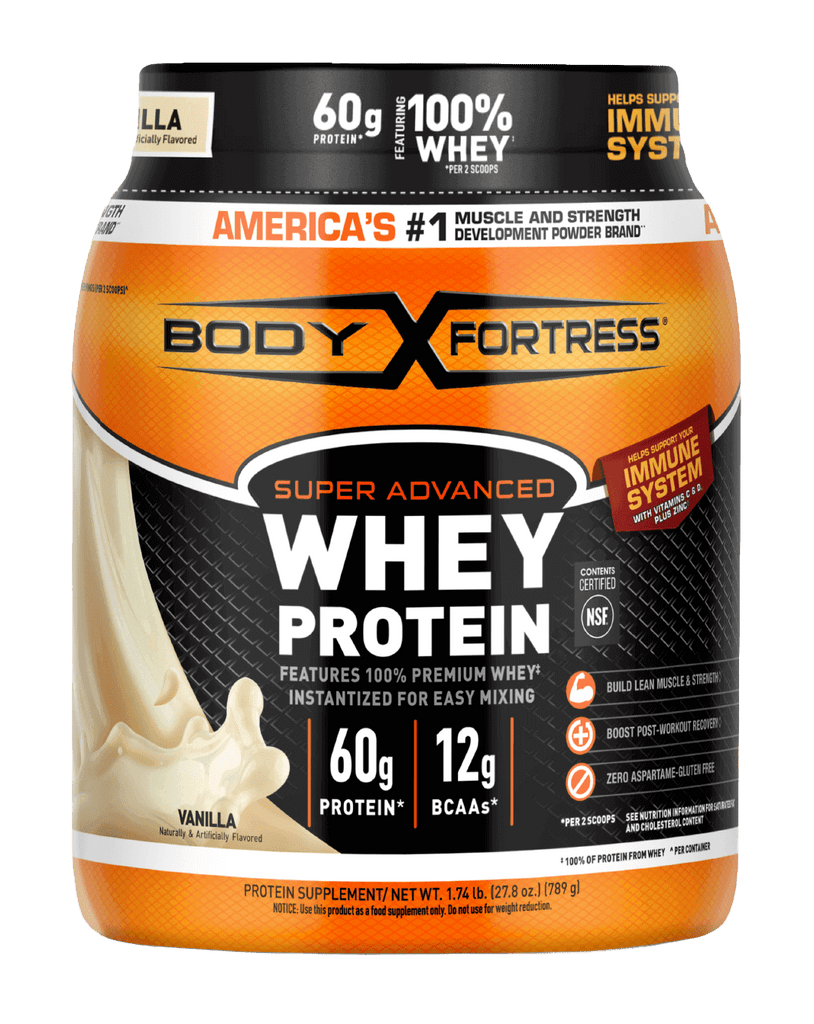
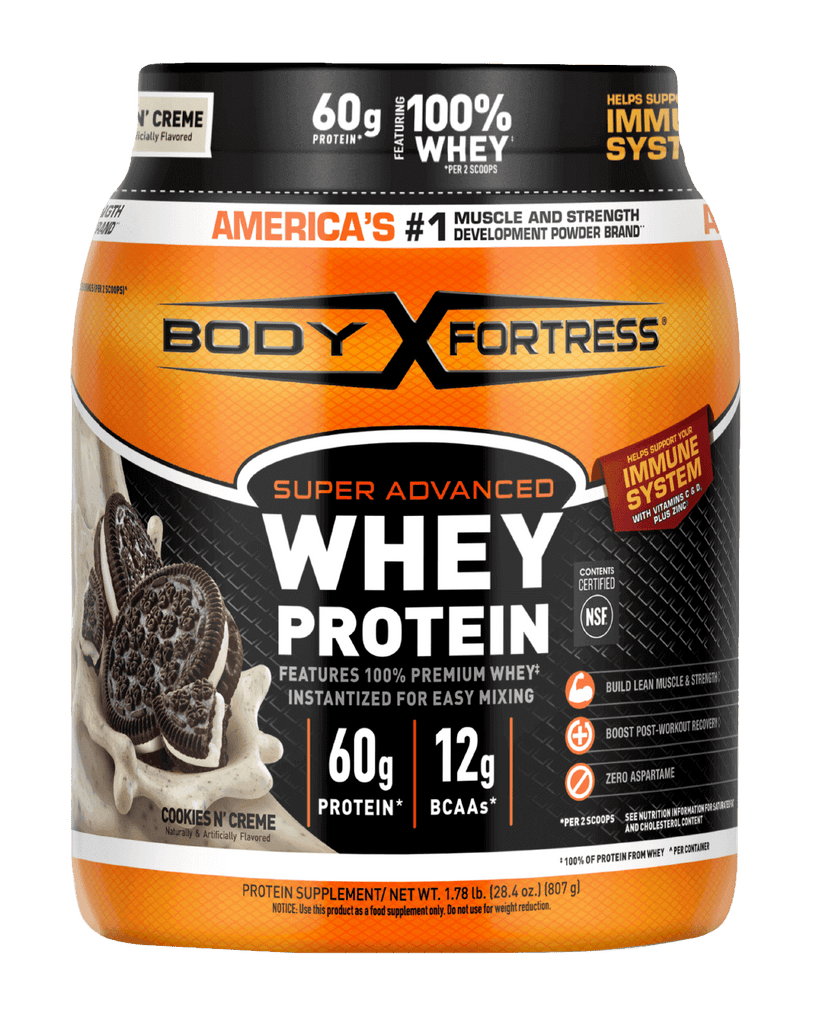
Whey protein is the most widely used sports supplement in the world. In 2026 it is also the most heavily price-discounted, most analytically tested, and most casually misunderstood category in the protein aisle. The price per gram of protein has dropped roughly 30% since 2023, which means whey is cheaper in real terms today than at any point in the last decade. Per ProteinPrice's own catalog, the median dollars-per-gram-of-protein on whey concentrate has dropped from roughly $0.045/g in 2019 to about $0.020/g today, driven by competitive pricing from value brands like Nutricost and Body Fortress. At the same time, the gap between budget tier and premium tier has widened, dozens of new brands have entered the market, and shopping by sticker price alone now reliably leads to buying the wrong tub.
This guide is intended to be the definitive reference. It covers what whey actually is, how it is made, who it is for, the live top picks ranked by Value Score from our catalog of 702 products, the seven things that matter when choosing a tub, what good and bad value look like in real numbers, the mistakes buyers most often make, how to use whey in practice, how long it lasts, the honest science on side effects, and a long FAQ section. Whether you are buying your first tub or your fiftieth, this guide will save you money and answer the questions you probably did not know to ask.
Quick answer: If you want the best value whey in 2026, the floor is Nutricost Whey Concentrate 5lb at $32.99 on Amazon (Value Score 98). For better flavor at a small premium, Optimum Nutrition Gold Standard 5lb at $54.99. For lactose sensitivity, Dymatize ISO100 5lb at $59.99. The best-tasting premium is Ghost Whey, the best grass-fed is Levels, and the cheapest direct-to-consumer is MyProtein Impact Whey 5.5lb at $44.99.
In this guide
What Is Whey Protein?
Whey is the liquid that separates from milk during cheese-making. Stand a vat of curdling milk in a Wisconsin cheese factory and the white watery fluid that drains off is whey. For most of the 20th century this fluid was treated as waste or sold cheaply to pig farmers. Two technological shifts in the 1980s changed that: ultrafiltration membranes that could separate whey proteins from sugar and fat, and freeze-spray drying that turned the resulting concentrate into a stable powder. The combination gave us the multi-billion-dollar sports nutrition category that exists today.
Whey contains roughly half a dozen distinct proteins. The two big ones are beta-lactoglobulin (about 50% of whey protein) and alpha-lactalbumin (about 20%). Beta-lactoglobulin is unusually rich in branched-chain amino acids, especially leucine, which is the strongest activator of muscle protein synthesis pathways in human muscle. This is the underlying biochemical reason whey produces meaningful gains in muscle mass and strength when paired with resistance training. Casein, the other main milk protein, has a similar amino acid profile but is absorbed much more slowly because it forms a gel in the stomach.
Whey is for anyone who wants to raise daily protein intake conveniently. That includes lifters trying to gain muscle, dieters trying to preserve muscle during a calorie deficit, older adults fighting sarcopenia, athletes recovering from training, vegetarians who want a complete protein, and busy people who would otherwise skip breakfast. Whey is not strictly necessary, but it is the cheapest, most concentrated, and most flavor-flexible protein source available. The next most efficient option, chicken breast at $5/lb, costs roughly 40% more per gram of protein than budget whey.
How Whey Protein Is Made
Whey production starts in a cheese plant. Cheese-makers acidify milk, either with rennet enzymes or lactic acid bacteria, which causes the milk's casein protein to coagulate into curds. The curds become cheese. The watery liquid drained off is sweet whey (if rennet was used) or acid whey (if acid was used). Sweet whey is the source of nearly all commercial whey protein powder because it has higher protein quality and a milder flavor profile.
The raw whey is then pasteurized and chilled. The first step in concentrating it is microfiltration, where the liquid passes through ceramic or polymer membranes with pores small enough to hold back proteins but allow water, lactose, and minerals to pass through. Repeated filtration passes raise the protein concentration in the retained stream from about 5% (the protein content of raw whey) to roughly 35%. To go further, manufacturers use ultrafiltration, with even tighter membranes. By the end of this stage the product is roughly 80% protein, which is the threshold for whey concentrate.
To produce whey isolate, manufacturers continue with one of two techniques. Cross-flow microfiltration (CFM) uses additional membrane filtration. Ion exchange (IX) uses an electrically charged resin column that selectively attracts protein molecules. Both techniques push the final protein content above 90% and reduce lactose to under 1%. CFM is gentler on the protein structure and is the method used by brands like Optimum Nutrition, Dymatize, and Transparent Labs. Ion exchange is cheaper but denatures slightly more of the immunoglobulin fraction, which matters for athletes who want intact bioactive peptides but matters little for muscle protein synthesis.
The concentrated liquid is then spray-dried. The protein-rich liquid is atomized into a hot drying chamber and the water flashes off, leaving fine particles of dry protein. Flavor systems (cocoa powder, vanilla, sweeteners, gum thickeners) are blended in after drying, and the finished product is packed into tubs or pouches. Each step matters for cost: the more filtering, the higher the protein content, but also the higher the price. This is the underlying reason concentrate is cheaper than isolate, which is cheaper than hydrolysate.
Whey vs Alternatives
Whey is one of half a dozen protein sources available in supplement form. Each has a tradeoff that matters in different situations.
Whey vs casein. Both are milk proteins. Whey absorbs in 1-2 hours and is best post-workout or any time you want a fast amino acid spike. Casein absorbs over 5-7 hours and is best before bed, between meals, or any time you want a sustained release. Many lifters use both. See our complete casein guide for the deeper comparison.
Whey vs plant protein. Whey has slightly higher leucine and a more complete amino acid profile than most single plant sources, but well-formulated plant blends (pea plus brown rice plus pumpkin seed) close the gap to within 5-10% on most outcomes. For lifters who lack a dairy issue, whey is the more cost-effective choice. For vegans or lactose-sensitive users, plant blends work just as well in practice. See our plant protein guide.
Whey vs collagen. Different proteins, different purposes. Whey is for muscle, collagen is for connective tissue. Collagen does not deliver complete amino acids and does not drive muscle protein synthesis to the same degree. They are complementary, not substitutes. See our collagen guide.
Whey vs mass gainer. Mass gainers are whey plus dextrose, maltodextrose, oat flour, or other carbohydrates. Per dollar, mass gainers are a worse value for protein because most of the calories come from cheap carbs. They are useful only if you struggle to eat enough food to gain weight. See our mass gainer guide.
Whey vs clear whey. Clear whey is hydrolyzed whey isolate filtered to behave like a juice rather than a milkshake. It is useful for people who hate creamy textures or want hot-weather protein. See our clear whey guide.
Top Picks Right Now
These are the eight highest-Value-Score whey products in our live catalog as of May 2026, drawn from a tracked catalog of 51 whey isolate, 118 whey blend, and 14 whey concentrate products. Prices reflect the best price across our 12 tracked US retailers.
| # | Product | Type | Best Price | Score |
|---|---|---|---|---|
| 1 | Nutricost Whey Concentrate 5lb | Concentrate | $32.99 (Amazon) | 98 |
| 2 | Now Sports Whey Concentrate 5lb | Concentrate | $33.99 (iHerb) | 63 |
| 3 | MyProtein Impact Whey 5.5lb | Blend | $54.99 (MyProtein) | 42 |
| 4 | MyProtein Impact Whey Isolate 5.5lb | Isolate | $54.99 (MyProtein) | 42 |
| 5 | Transparent Labs 100% Whey Isolate 5lb | Isolate | $59.99 (TL direct) | 41 |
| 6 | Optimum Nutrition Gold Standard 5lb | Blend | $54.99 (Walmart) | 37 |
| 7 | Dymatize Elite 100% Whey 4.63lb | Blend | $49.99 (Amazon) | 36 |
| 8 | Dymatize ISO100 5lb | Isolate | $59.99 (Amazon) | 32 |
1. Nutricost Whey Concentrate (Value Score 98)
Nutricost's 5lb tub at $32.99 on Amazon is the floor for cheap whey in America and has been for two years. Sixty-six servings of 25g protein per scoop. That works out to $0.020 per gram of total powder and $0.0174 per gram of pure protein. The flavor is acceptable rather than premium, the packaging is plain, and the brand spends nothing on marketing. That is the entire reason it is this cheap. For shakes, oatmeal, baking, and anything where flavor experience is secondary, this is the right answer.
2. Now Sports Whey Concentrate (Value Score 63)
Now Sports at iHerb runs $33.99 for a 5lb tub. Now Foods has been a supplement brand since 1968 and carries strong third-party testing credentials, including NPA GMP and independent purity testing. The protein quality story is slightly stronger than Nutricost, the flavor is slightly thinner. Both win on price.
3. MyProtein Impact Whey 5.5lb (Value Score 42)
The direct-to-consumer dark horse. MyProtein Impact Whey in a 5.5lb bag direct from us.myprotein.com runs $54.99 most of the year and drops to $34 during their monthly flash sales (usually the last Sunday of the month). When the sale price hits, this is the cheapest whey on the entire internet. Downside: shipping from the US fulfillment center adds 4-7 days. Plan ahead. See our MyProtein vs Optimum Nutrition comparison.
4. MyProtein Impact Whey Isolate 5.5lb (Value Score 42)
Same brand, isolate version. 25g protein per scoop, under 1% lactose. Useful if you have any dairy sensitivity but want MyProtein's pricing.
5. Transparent Labs 100% Whey Isolate 5lb (Value Score 41)
Transparent Labs uses cold-processed cross-flow microfiltration on grass-fed Wisconsin whey, with zero artificial sweeteners, dyes, or fillers. At $59.99 direct for the 5lb tub, you are paying for the clean-label story and the ingredient transparency. The Value Score is mid because the price per gram is higher than commodity tier, but the score does not capture the third-party testing premium some buyers want.
6. Optimum Nutrition Gold Standard 5lb (Value Score 37)
Optimum Nutrition is the default benchmark in the whey market and has been since 2002. At $54.99 the 5lb tub delivers 74 servings of 24g protein per scoop. The flavor is the gold standard, the mixability is the gold standard, the shelf availability is the gold standard, and the reason this product is on every retailer's shelf is that nobody has been able to dethrone it. For most lifters, this is the best balance of price, taste, and trust.
7. Dymatize Elite 100% Whey 4.63lb (Value Score 36)
The whey blend version of Dymatize's catalog. 63 servings of 25g protein at $49.99 on Amazon. Mid-premium tier with strong cookies and cream and chocolate fudge flavors.
8. Dymatize ISO100 5lb (Value Score 32)
The isolate that everyone in the lactose-intolerant community knows. Dymatize ISO100 is hydrolyzed to roughly 90% protein content with under 1% lactose. Gourmet chocolate, fruity pebbles, and birthday cake flavors are genuinely strong. At $59.99 on Amazon the 5lb tub is the gold-standard isolate. See our best whey isolate for lactose intolerance.
How to Choose: 7 Things to Look For
1. Protein per dollar, not protein per scoop
The single most misleading number on a whey tub is the protein-per-serving figure on the front. A 24g scoop in a small tub can cost twice as much per gram as a 24g scoop in a 5lb value tub. Calculate total protein in the tub (servings x grams per scoop) and divide by price. Anything below $0.022 per gram is excellent, $0.022-$0.030 is solid mainstream, $0.030-$0.040 is premium, and above $0.040 is paying for a story (organic, grass-fed, third-party tested).
2. Type that matches your stomach
Concentrate sits at 4-8% lactose. If you bloat or get gas from whey concentrate, that is the lactose. Switch to isolate (under 1% lactose) and the issue usually disappears. If isolate still bothers you, you may have a true dairy allergy and should consider plant protein. Our isolate for lactose intolerance guide goes deeper.
3. Flavor track record
A tub you do not finish is not actually cheap. Read reviews specifically for flavor and mixability. The three benchmarks that consistently nail flavor across the catalog are Optimum Nutrition Gold Standard, Dymatize ISO100, and Ghost Whey (the cereal-themed lineup). Outside those, every brand has hits and misses by flavor.
4. Brand third-party testing
The 2015 Consumer Reports study and the 2018 Clean Label Project investigations found that some whey products contained heavy metals (cadmium, arsenic, lead) above safety thresholds. The major brands have since invested heavily in testing. Look for NSF Certified for Sport, Informed Sport, Labdoor verified, or a brand's own published third-party Certificate of Analysis. Optimum Nutrition, Dymatize, Transparent Labs, and Thorne lead on this dimension.
5. Sweetener and ingredient list
Some whey products use sucralose, some use stevia, some use both, and a few use real sugar. None of these is dangerous at typical doses, but personal preference matters. If artificial sweeteners cause gas (a known minority effect of polyols and sucralose), look for stevia-sweetened options like Transparent Labs or Naked Whey unflavored.
6. Tub size that matches your usage
A 5lb tub is the sweet spot for cost per gram. A 2lb tub costs roughly 30% more per gram. A 10lb tub or bulk bag costs roughly 10% less per gram than 5lb, but only buy bulk if you will finish it within 9-12 months.
7. Retailer reliability
The best price on a slow-shipping retailer is not the best price. We track 12 US retailers and flag stockouts and slow ship times on every product page. For urgency, Amazon Prime and Walmart pickup are the only retailers that reliably ship inside 48 hours. See our retailer comparison.
Price + Value Analysis
The whey market in 2026 has three distinct price tiers and they have not converged. Buyers who do not understand the tier system end up paying premium prices for mainstream products, or buying budget products and being disappointed when the flavor is mediocre.
Budget tier ($0.017-$0.022 per gram protein). Nutricost, Now Sports, Bulk Supplements, and Body Fortress. Plain packaging, basic flavor systems, no marketing spend, frequently the same OEM manufacturer as more expensive brands. Quality is fine, flavor is acceptable, retailer availability is variable.
Mainstream tier ($0.022-$0.032 per gram protein). Optimum Nutrition, Dymatize, Rule 1, MuscleTech, Six Star, MyProtein, BSN, Cellucor. The biggest names. Reliable flavor, broad retailer availability, third-party testing, marketing budgets that pay for visibility on Amazon and Walmart shelves. This is where 60% of US whey volume sits and where you should default unless you have a specific reason to go cheaper or more expensive.
Premium tier ($0.032-$0.045 per gram protein). Transparent Labs, Levels, Promix, Naked Whey, Ascent. Grass-fed sourcing, clean ingredient lists, third-party testing as a brand value, direct-to-consumer or natural-grocery channels. The premium is real on dimensions you may or may not value: ingredient ethics, ecological story, lack of artificial sweeteners.
Specialty tier ($0.045+ per gram protein). Garden of Life Sport, Ancient Nutrition, Tera's Whey. Often organic, often grass-fed, often single-source, sometimes raw. Buy if the story matters to you and budget is not a constraint. This is where Value Score drops below 25 in our catalog.
To put numbers on this: if you bought a 5lb tub once a month for a year, the budget tier costs $400 annually for 660g of protein per week. The premium tier costs $700 annually for the same protein. The story difference is real but small relative to that gap.
Common Mistakes Buyers Make
Buying the smallest size to "try it". A 1lb pouch of any brand costs 50-100% more per gram than the 5lb tub. If you are uncertain about a flavor, buy a single-serving sample pack from MyProtein or Bulk Supplements at $1-2 per serving. Once you find a flavor that works, buy the largest tub you will finish in 9 months.
Comparing prices across different tub sizes. A 2lb tub at $25 looks cheaper than a 5lb tub at $50, but the larger tub is 25% cheaper per gram. Always normalize to per-gram-of-protein when comparing.
Picking the cheapest concentrate when you bloat. If concentrate makes you gassy, the cheapest concentrate will make you gassy. Pay the extra $15-20 for an isolate.
Trusting the protein-per-scoop number. Protein-per-scoop varies with scoop size and how packed the powder is. The label total (servings x grams) is the only honest number. Independent testing (Labdoor, Clean Label Project) has periodically found that some products deliver less protein than the label claims. The major brands now publish per-batch certificates of analysis on request.
Mixing in a shaker without enough water. Clumps are not the powder's fault. Most whey mixes cleanly in 10-12oz of water. If you use 6-8oz the protein concentrates and clumps. Add more water or use a blender. Our no-blender mixing guide covers this.
Buying flavors blind in 5lb size. Some flavors are universally good (vanilla, chocolate). Some are polarizing (cinnamon roll, birthday cake, mint chocolate chip). For polarizing flavors, buy a 2lb first or order a single-serving sample.
How to Use Whey Protein
Dosage. One scoop (20-30g protein) is a standard serving. Two scoops post-workout is reasonable for lifters trying to hit 1.6-2.2g protein per kg of body weight per day. There is no benefit to taking more than roughly 40g in a single sitting because the muscle protein synthesis response saturates around that point. Daily total protein matters more than per-meal distribution beyond that ceiling.
Timing. The original "30-minute anabolic window" research has been substantially revised. Recent meta-analyses suggest the window is several hours wide, especially if you trained fed. Drink your shake whenever it fits your schedule and helps you hit total protein. Post-workout is convenient because you are already moving and water is at hand, not because it is biologically magical. See our timing guide.
Mixing. 10-12oz of cold water or milk. Add powder after liquid (not before, which causes clumping). Shake hard for 15 seconds. For thicker shakes use milk; for lower calories use water or unsweetened almond milk. Blenders are unnecessary for normal whey but useful if you add ice, fruit, or peanut butter.
In food. Whey works in oatmeal (stir in after cooking), Greek yogurt, smoothies, and pancake batter. Whey does not bake well in cookies or cakes at high heat because the proteins denature; for baking use casein or a baking-specific whey blend.
With other supplements. Creatine, beta-alanine, and citrulline malate all mix well into a whey shake. Avoid mixing whey with hot coffee (the proteins denature) or with very acidic juices (also causes denaturation).
Storage + Shelf Life
Sealed whey lasts 18-24 months from manufacture date if stored cool, dry, and out of direct sunlight. Most US-shipped tubs are 2-4 months from manufacture when you receive them, leaving you 14-22 months of shelf life on an unopened tub.
Once opened, whey lasts roughly 9-12 months in normal conditions. The product does not turn dangerous after the best-by date; it simply loses flavor potency and mixability slowly over time. The proteins themselves are stable for years if kept dry. The reason whey eventually goes off is fat oxidation (in concentrate, where 2-5% fat remains) and moisture absorption (which causes clumping).
Storage rules:
- Keep tub tightly sealed. Air is the main enemy.
- Store at room temperature, ideally below 75F. Refrigeration is unnecessary and causes condensation when you open the tub.
- Use the scoop, not a wet measuring cup. Moisture introduced into the tub causes clumping that spreads.
- If you live in a humid climate, transfer to an airtight container with a silica gel pack.
- Discard if you see solid clumps that do not break apart, off smell, or rancid taste.
See our does protein powder expire guide for more.
Side Effects + Considerations
Whey is well-studied and broadly safe for healthy adults. The honest picture includes some considerations that are worth knowing.
Lactose-related bloating, gas, and cramping. Concentrate is 4-8% lactose. Lactose-intolerant users who switch from concentrate to isolate (under 1% lactose) usually resolve symptoms. Persistent symptoms on isolate suggest a true dairy allergy or another underlying issue.
Acne. Whey can spike insulin and IGF-1, both of which have been associated with acne in observational studies, particularly in teenagers. The causal link is debated. If you start whey and notice new acne, swap to plant protein for 4-6 weeks to test the hypothesis. See can protein powder cause bloating.
Kidneys. In healthy adults, whey protein at typical doses does not damage kidneys. This is one of the most rigorously studied questions in sports nutrition. People with pre-existing chronic kidney disease should discuss any high-protein supplement with their physician before starting. The popular concern that "high protein hurts kidneys" applies in cases of disease, not healthy adults. See can too much protein hurt kidneys.
Bone health. The old worry that high-protein diets leach calcium from bones has been largely overturned by newer research. Adequate calcium intake matters; high protein per se does not cause net bone loss in healthy adults.
Sweetener sensitivity. Some users get gas from sucralose, sugar alcohols, or stevia. Try a tub from a different sweetener system if you suspect this. Naked Whey unflavored eliminates all sweeteners and additives.
Heavy metals. Older Clean Label Project investigations found measurable cadmium and arsenic in some whey products, particularly chocolate-flavored powders (cocoa accumulates cadmium). Levels were within FDA acceptable limits but worth knowing. The mainstream and premium brands now publish third-party Certificates of Analysis. Budget tier is more variable.
Whey is not a complete diet, not a substitute for whole food, and not a substitute for a balanced training program. Treat it as a convenience product that fills protein gaps, not a magic supplement.
Frequently Asked Questions
Is whey protein safe for daily use?
For healthy adults without dairy allergy or pre-existing kidney disease, daily whey at typical doses of 20-40g per serving is well-tolerated in long-term clinical trials. People with established kidney disease should discuss protein intake with their physician.
How much whey protein should I take per day?
Total daily protein matters more than whey specifically. Most evidence supports 1.2-2.2g of protein per kg of body weight per day for active adults. Whey fills the gap between dietary intake and the target. One to two scoops per day, roughly 20-40g, is typical for most lifters. See our how much protein guide.
Concentrate vs isolate vs hydrolysate, what is the difference?
Concentrate is 70-80% protein with some lactose and fat. Isolate is 90%+ protein with under 1% lactose, useful for lactose-sensitive users. Hydrolysate is pre-digested with enzymes for faster absorption and is mostly used by athletes who want extreme post-workout speed. Concentrate is the best value for most people.
Is whey protein dairy?
Yes. Whey is the liquid byproduct of cheese-making and is naturally a dairy protein. People with a true dairy allergy should avoid whey entirely. People with lactose intolerance can usually tolerate isolate but not concentrate.
Does whey cause acne or kidney damage?
Whey can spike insulin and IGF-1, which has been associated with acne in some individuals, especially teenagers. The causal link is debated. Kidney damage from whey in healthy adults is not supported by current evidence.
How long does an opened tub of whey last?
Stored cool, dry, and tightly sealed, opened whey lasts 9-12 months past the manufacture date and typically 3-6 months past the printed best-by date with no quality loss.
When is the best time to drink whey?
Total daily protein is what drives muscle protein synthesis. The post-workout window is wider than once believed. Drink your shake whenever fits your schedule.
Is grass-fed whey worth the premium?
Grass-fed whey costs roughly 50-100% more and offers a slight nutritional edge in omega-3 and CLA content. For most users the difference is marginal. See our grass-fed whey rankings.
Can I take whey on an empty stomach?
Yes for most people. See our empty stomach guide.
How much protein is actually in one scoop?
Read the nutrition panel. Most whey blends deliver 22-25g, isolates 24-28g, budget concentrates 20-25g. Total grams of protein per dollar is the metric.
Is whey vegetarian or vegan?
Vegetarian, not vegan. Vegans should look at our plant protein guide.
How is Value Score calculated?
Value Score combines protein per dollar, protein content per 100g, sugar content, and ingredient transparency. The score is 0-100. Above 90 is objectively excellent. See how it works.
Related Guides
This is the master whey reference. For specific subtopics:
See live whey rankings updated hourly
702 products, 12 retailers, refreshed throughout the day.
Browse Whey Catalog →